The “haunted house” system
The IPCRESS FileThe “haunted house” system is a method of thought reform that uses a controlled environment to isolate a captive, weaken physical and mental resistance, and make ordinary judgments unreliable. Unnamed narrator describes it not as a single device but as a staged process: sever the subject’s connections, create fatigue and uncertainty, discover personal weaknesses, and then intensify mental pressure. Its importance lies in the way seemingly practical measures—altered temperatures, manipulated light, and deceptive visitors—work together to make the captive dependent on the people controlling the surroundings.
Design and Environmental Control
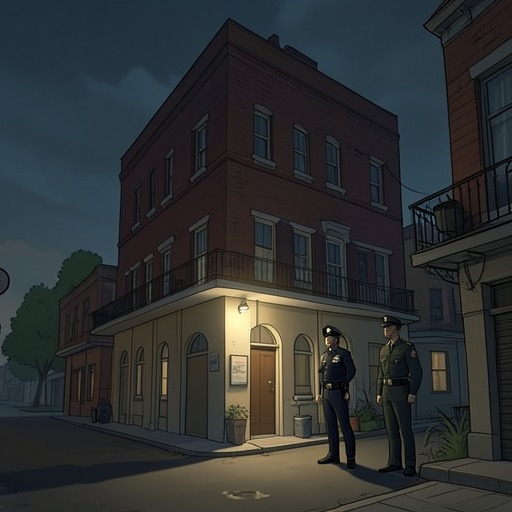
At its most conspicuous, the method depends on mental isolation. Its operators use false representatives, such as supposed ambassadors, to persuade a subject that no genuine outside help is available. They also used false policemen, though Unnamed narrator says this approach was abandoned after an incident at Shoreditch. Civilian clothing offered a less conspicuous alternative, helping the deception seem more credible.
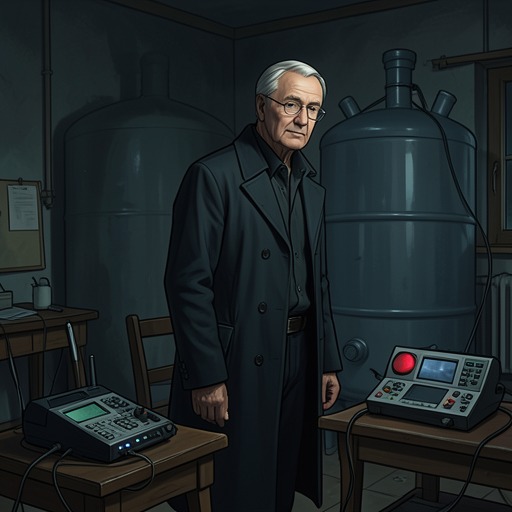
The building itself becomes an instrument of disorientation. At Wood Green, radiant heating and cooling could change the temperature at will, while lights were switched to produce an apparent day lasting an hour or a night lasting thirty-six hours. These conditions were intended to unsettle the captive’s sense of time and balance. Unnamed narrator stresses that the process was easier to impose on someone already physically weak: environmental confusion and bodily exhaustion reinforced one another rather than operating as separate pressures.
Stages of the Process
The initial stage, as Unnamed narrator explains it, is the severing of connections. Isolation is followed by physical and mental fatigue, then by uncertainty about what will satisfy the captors. The subject is left trying to infer the rules of an environment in which approval and punishment seem difficult to predict. Unnamed narrator says that humour is dangerous to the technique, because a joke can interrupt the pressure and restore some distance from the imposed situation.
He describes the next likely stage at Wood Green as the memorization of long passages of dialect, possibly including a lengthy document about his supposed trial. The task would add sustained mental effort to the captive’s uncertainty. In his account, the operators first seek out weaknesses—ideally prompting subjects to identify those weaknesses themselves through self-criticism—and then use what they have learned to increase pressure. Indoctrination and overwork build toward what he calls abreaction: a point of severe psychological collapse that, in his explanation, can spread through a group as one captive’s breakdown is followed by others.
A separate captivity sequence gives a concrete example of how deprivation and arbitrary instruction can narrow a prisoner’s choices, though the narrative does not identify that room as a haunted house. K.K. makes food conditional on repeating lessons correctly; mistakes can bring further deprivation, and the prisoner eventually learns to anticipate the captor’s demands. The prisoner also scratches a calendar into a wooden door, marking days and recording nights disturbed by cries from elsewhere. These details echo the system’s broader reliance on weakness, uncertainty, and controlled rewards without proving that every element belongs to the same facility or method.
Variants and Related Techniques
The name refers to the building-based version of the process, but Unnamed narrator clarifies that the methods were applications of a broader system rather than wholly different systems. Jay proposed using small private nursing homes instead. Such places were less conspicuous, required less construction, and could be returned to ordinary use before the operators moved on. Carswell’s discovery of “concens” is connected to this nursing-home approach: the high rate of fever among the people involved was, according to Unnamed narrator, useful because physical debility prepared them for thought reform. He clarifies that the people were brought into the homes first and given fever there.
Unnamed narrator also identifies a water-tank technique as a separate method, correcting his earlier count of the approaches. The subject’s eyes are covered, breathing apparatus is fitted, and the person is suspended face down in water kept near body temperature. After sleeping, the subject wakes disoriented and vulnerable to anxiety and hallucination; information is then introduced at a chosen moment. Jean connects this procedure to a tape recorder, and Unnamed narrator confirms the connection. The tank technique therefore shares the system’s aim of destabilizing perception, but it is not simply another feature of the haunted-house building.
Explanation and Significance
The account is delivered by Unnamed narrator while he explains the methods to Jean, drawing a distinction between the overall process and the different settings in which it can be applied. He also relates the early stages at Wood Green to the treatment he underwent after his arrest on Tokwe, identifying shared characteristics without suggesting that the two episodes were identical. His explanation turns a frightening experience into an account of procedure: isolation, fatigue, uncertainty, exploitation of weaknesses, and escalating mental work.
The system’s defining feature is the engineered dependence it creates. False authorities restrict the captive’s imagined access to help; manipulated surroundings weaken confidence in time and perception; exhaustion makes resistance harder; and conditional rewards teach compliance. The contrast between a purpose-built haunted house and a modest nursing home shows that the method does not depend on one architectural form. Its essential structure is the controlled removal of reliable reference points, followed by pressure calibrated to the subject’s weakened condition.